
When it comes to investing, there are a lot of factors to consider. But for those looking to invest in carbon credits, there are a few specific risks you need to be aware of. Here are the five top risks when investing in carbon credits.
There Are Certain Carbon Credit ETFs That Track Carbon Credit Futures, Which Can Be Volatile And Risky Assets
Carbon credits are a tradeable commodity that can be bought and sold to help businesses offset their carbon emissions. There are many carbon credit schemes around the world, with varying carbon prices. In Australia, the carbon price is currently around $23 per tonne of carbon dioxide equivalent (CO2-e). The carbon credit market is expected to grow in the coming years as businesses become more carbon conscious and look for ways to offset their emissions.
Carbon credits can be bought and sold on carbon credit exchanges, or through carbon credit brokers. There are also certain carbon credit ETFs that track carbon credit futures, which can be volatile and risky assets. For those looking to invest in carbon credits, it is important to do your research and speak to a financial advisor to understand the risks involved.
There Is Limited Past Performance Data Available For The Carbon Credit Market Since It Is Relatively New
Investing in carbon credits is a relatively new concept in Australia, with the market only emerging in the past few years. As a result, there is limited past performance data available for this type of investment. However, the carbon credit market has grown rapidly in recent years, and there is potential for strong future growth.
The key risk for investors is that the market may not continue to grow at the same pace, or that carbon prices may not remain at current levels. Nevertheless, the carbon credit market offers an interesting opportunity for investors seeking to diversify their portfolios.
The Carbon Market Is Limited To A Few Regions And Is Still Relatively Small, So Investing In It Does Not Provide A Lot Of Portfolio Diversification
Carbon credits are a carbon offset that can be bought and sold to countries or businesses to offset carbon emissions. There are currently two carbon markets: the European Union Emissions Trading Scheme (EU ETS) and the Kyoto Protocol’s Clean Development Mechanism (CDM).
Carbon credits are bought and sold on these carbon markets to offset carbon emissions. Because the carbon market is currently limited to a few regions, investing in it does not provide a lot of portfolio diversification. However, some experts believe that the carbon market will grow in the future, so investing in it now may provide long-term benefits. If you’re interested in investing in carbon credits Australia, there are a few things you should keep in mind.
First, make sure you buy carbon credits from a reputable source. Second, understand the risks involved before making any decisions. And finally, remember that carbon credits are a long-term investment, so don’t expect to see immediate results.
Carbon Credits Differ In Quality, And A Variety Of Factors Determine Their True Value
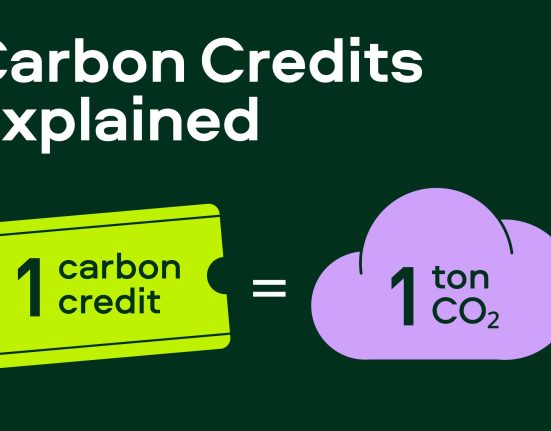
Carbon credits are a type of tradeable certificate that represents the right to emit one tonne of carbon dioxide or its equivalent. They can be bought and sold in order to help companies meet their emissions reduction targets.
However, not all carbon credits are created equal. The quality of a carbon credit depends on several factors, including the method used to calculate the emissions reductions, the baseline against which the reductions are measured, and the timeframe over which the reductions will be achieved.
This can make it difficult to compare different carbon credits and determine their true value. When investing in carbon credits, it is important to do your research and consult with an expert to ensure that you are getting a quality product.
Governments Create Carbon Credit Schemes, And They Could Intervene At Any Time And Change The Program Or Decrease The Price By Increasing The Cap
Carbon credit schemes are a way for the government to intervene in the market to reduce emissions of carbon dioxide. The government creates a carbon credit, which is a unit of measure for greenhouse gas emissions. Polluters buy carbon credits from the government, and this gives them the right to emit a certain amount of carbon dioxide into the atmosphere.
The money that the government receives from the sale of carbon credits is used to fund projects that reduce emissions, such as planting trees or investing in renewable energy. Carbon credit schemes are widely criticized because they often favor big polluters and do not always achieve their goal of reducing emissions. Nevertheless, they are likely to continue to be used by governments as a way to meet their commitment to climate change.
Conclusion
Overall, it is important to understand the risks associated with investing in carbon credits before making any decisions. While some carbon credit ETFs may be less risky, it is still important to be aware of what you are buying into and do your own research. It will be interesting to see how this market develops over time and whether or not it becomes a more mainstream investment option.


Leave feedback about this