


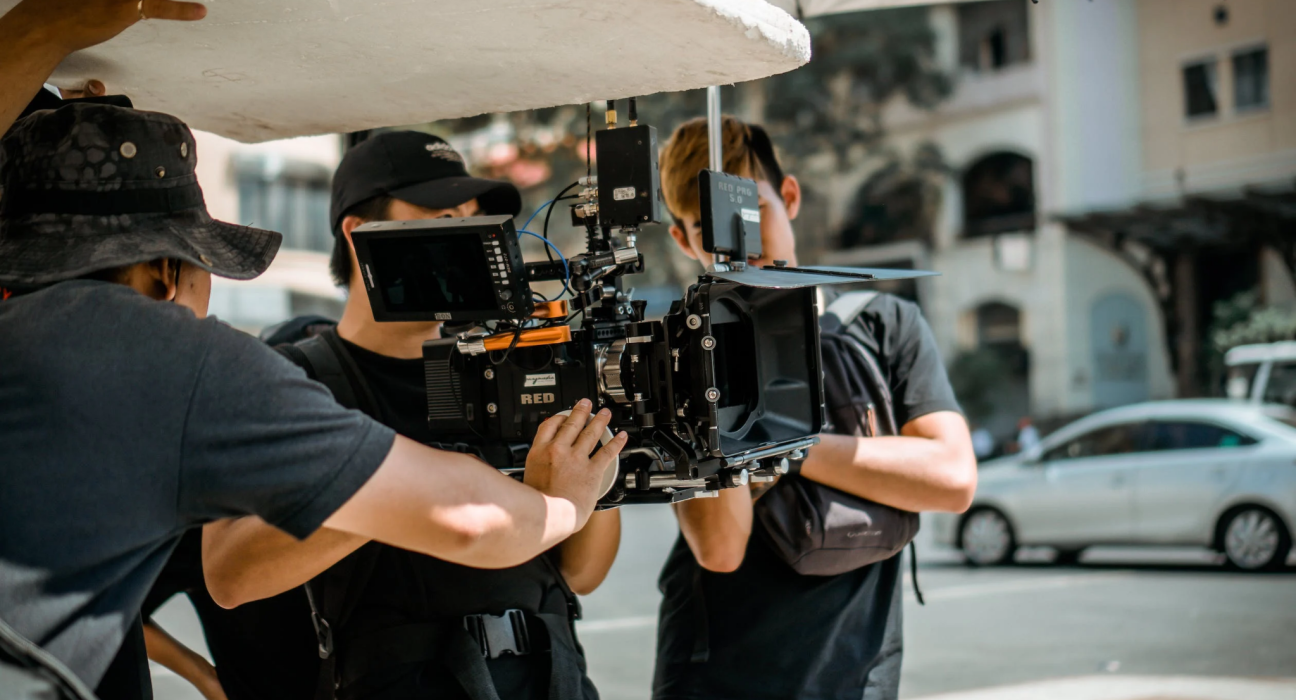
As one of the most visually appealing forms of storytelling, videography and cinematography have been captivating audiences since the dawn of film. From silent films to blockbusters, people’s lives everywhere have been profoundly shaped by the art form. But what are the differences between these two mediums?
To ensure your pictures accurately convey what you intend, it’s important to know how each field works – its advantages and disadvantages. Let’s dive in and learn more about video versus cinematic productions so that we can better express our ideas!
What Is Videography?
Videography is the art of creating videos by capturing moving images and combining them with audio. It is a powerful medium for conveying corporate messages to clients and potential customers. From corporate video production in Melbourne to live-streaming concerts, videography has become an invaluable part of any successful media project. It requires skill, creativity and technical know-how to bring an idea to life, while also working within a budget and meeting deadlines.
Videography involves selecting equipment such as cameras, microphones and editing software to create captivating stories that will engage viewers. Ultimately, videography can be used to capture anything from corporate events to full-length feature films, making it one of the most important elements of multimedia communication in our ever-growing digital age.
What Is Cinematography?
Cinematography is a cornerstone of corporate video production in Melbourne and around the world. Put simply, the cinematography is the technique and art of capturing moving images. This includes everything from choosing the camera and lenses to shooting and editing, to producing a complete corporate video with beautiful visuals that capture attention.
Cinematographers use specialized equipment such as lights, cameras, and sound equipment to create unique corporate videos for their clients. Cinematography is an integral part of corporate video production in Melbourne because it sets your corporate image apart from the competition. By working with experienced cinematographers, you can have a corporate story that truly stands out from the rest.
How Is Videography Used In Corporate Video Production?
Videography plays a crucial role in corporate video production in Melbourne, allowing businesses to create powerful promotional or educational visuals that considerably improve their corporate identity, and add an extra layer of professionalism and aesthetical flair to their already high-quality products and services. With videography, corporate video producers can capture the best moments with the highest resolution capabilities and offer corporate content that is unique, engaging and informative.
Moreover, corporate video production companies also use videography to convey an effective message while providing clients with specialised visuals that are both captivating and vivid. All these factors make videography an essential part of corporate video production in Melbourne.
How Is Cinematography Used In Corporate Video Production?
Corporate video production is more than just any simple video; it requires a well-thought-out strategy that considers key features such as the script, lighting, and cinematography. Cinematography is the art of capturing a scene through the lens of a camera, and when done correctly can create an immersive experience for viewers. It gives corporate video production a sense of direction and identity that allows viewers to be mindful and engaged with the content presented.
Nowadays, even with limited resources and technology, one can utilize various techniques for great cinematic effects—such as creating aerial shots or placing statements via compelling visuals (e.g. panning shots) instead of just written words or spoken dialogues—to further strengthen the corporate message in a short amount time.
Which Factors Determine The Difference Between Videography And Cinematography?
Videography and cinematography may appear to be similar, but there are several important factors that separate them. Videographers typically focus on capturing events as they occur, whereas cinematographers are more concerned with creating something unique from their material.
That could involve adding lighting, camera movement and other creative elements to the shot. This difference in approach is especially noticeable when it comes to videography and corporate video production in Melbourne or videography in Sydney. While videographers will simply document what goes on at a live event or function without seeking to alter the footage, corporate videographers often edit the footage taken to produce a highly stylised end product that captures attention and conveys messaging clearly.
Videography and cinematography can also differ depending on the software used for post-production work or editing of existing material. Professionals looking for videography or cinematography services should always do background research into each option prior to making a decision.
Can Someone Be Both – A Videographer And A Cinematographer?
Yes, it is entirely possible for someone to be both a videographer and a cinematographer. In fact, many corporate video production professionals in Melbourne can provide services in both areas. While it’s not impossible for someone to do both jobs at once, there’s no denying that the complex nature of corporate video production requires a dedicated focus and technical skill set for each profession. That said, with the right skill set, creativity and experience in both, it is possible for one person to take on both roles of a cinematographer and videographer for corporate video production in Melbourne.
Professional videography in Sydney typically includes filming events such as music performances, political rallies or conferences and then transforming that footage into a visually stunning piece afterwards for showcasing. Cinematography on the other hand focuses more on composition and mood through camera motion and visual effects. Combining these two art forms together creates videos that are impactful, and engaging and give viewers an enjoyable experience.
Conclusion
Videography and cinematography are two very different things, with videography used more for commercial video production and cinematography reserved for films. It is important to understand the differences between the two so that you can choose the right one for your project.
While someone may be able to perform both roles, it is typically better to have a specialist in each area to ensure the best possible outcome for your video. Hopefully, this article has helped you understand the differences between videography and cinematography – now go out and make some amazing videos!