In the business world, it’s important to be able to keep track of stock and inventory. However, traditional methods of tracking stock can be time-consuming and inaccurate. Could RFID be utilised to make the process easier and more accurate? Let’s take a look.
What Is Stock And Inventory And How Does RFID Technology Fits Into These Areas?
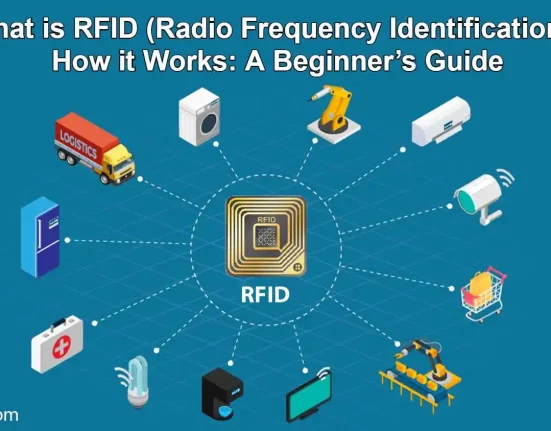
RFID technology is becoming increasingly commonplace in a variety of industries, from retail to healthcare. RFID, or Radio Frequency Identification, uses special tags that can be read by an RFID reader. This allows for automated tracking of assets, which can be extremely helpful in managing stock and inventory. RFID tags are often smaller and more durable than barcodes, making them ideal for tracking items that are exposed to the elements or subject to wear and tear.
In addition, RFID asset tracking can be performed remotely, without the need for line of sight between the tag and the reader. This makes it possible to track items even when they are hidden from view. As a result, RFID technology is a valuable tool for managing stock and inventory.
What Is An RFID Asset (Stock And Inventory) Tracking System?
RFID asset tracking systems are used to track the movement of assets within a designated area. RFID, or radio frequency identification, is a technology that identifies and tracks objects using radio waves. RFID tags are attached to objects and contain a unique identifier that allows them to be tracked by an RFID reader. RFID asset tracking systems typically consist of RFID tags, RFID readers, and software that are used to track and manage the data collected by the system.
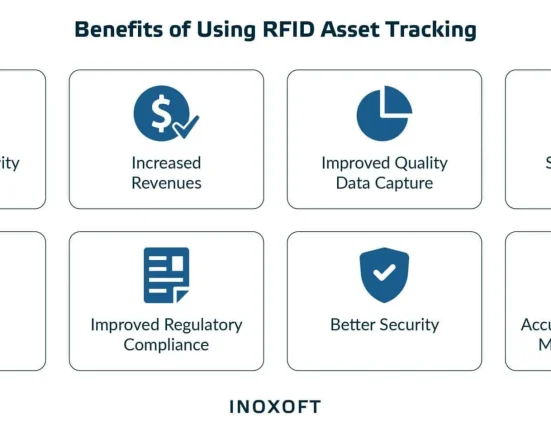
They can be used to track a wide range of assets, including inventory, tools, equipment, and vehicles. RFID asset tracking systems offer many benefits over traditional methods of tracking assets, including improved accuracy, real-time visibility, and increased efficiency. They are an essential part of any comprehensive asset management strategy.
What Industries Are Using RFID For Stock And Inventory Tracking?
RFID tags are increasingly being used for inventory tracking in a variety of industries. Retailers use RFID tags to track clothing and other merchandise as it moves through the supply chain. Hospitals use RFID tags to keep track of medical equipment and supplies. And RFID asset tracking is becoming increasingly common in the manufacturing sector. RFID tags offer several advantages over traditional barcodes, including the ability to track items even when they are not in sight of the reader, and the ability to store more information on each tag. As RFID technology continues to evolve, even more industries will likely begin to use RFID tags for stock and inventory tracking.
What’s The Difference Between ‘Passive’ And ‘Active’ RFID Tags?
There are two types of RFID tags: active and passive. RFID tags that are active are powered independently, whereas passive RFID tags rely on the power transmitted from the reader. Active tags are generally more expensive than passive tags and have a larger range. They also require more maintenance because the battery needs to be replaced periodically. Passive RFID tags are smaller and have a shorter range.
However, they are less expensive and require no maintenance. Both active and passive RFID tags can be used for asset tracking. However, active RFID tags are better suited for tracking high-value assets over long distances, while passive RFID tags are better suited for tracking lower-value assets over shorter distances.
How RFID Can Automate Stock And Inventory Tracking?
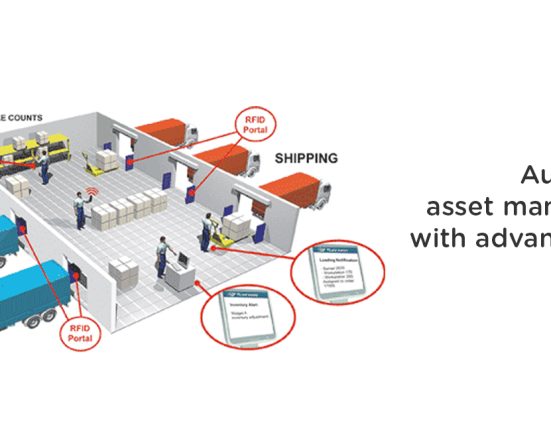
RFID tags are now being used in a wide variety of applications, from tracking livestock to monitoring warehouse inventory. RFID tag technology consists of a tiny RFID chip and antenna embedded in a substrate, usually plastic. RFID readers emit radio waves that activate the RFID tag’s chip, which then transmits data back to the reader. This data can be used to track the location of assets and inventory.
RFID asset tracking can automate stock and inventory tracking by reducing the need for manual data entry. In addition, RFID tags are more durable than barcodes and can withstand harsh environments, making them ideal for tracking assets in warehouse and industrial settings.
How Are RFID Readers and Tags Used In Automation of Asset Tracking?
RFID (radio-frequency identification) is a technology that uses radio waves to transfer data between a sensor (the RFID reader) and an object (the RFID tag). This technology can be used for a variety of applications, including asset tracking. In this case, mobile or fixed RFID readers are used to track the location of assets, and RFID tags are affixed to the assets themselves.
The tag contains information about the asset, and the reader uses this information to track the asset’s location. This system can be used to automate asset tracking, making it more efficient and accurate. In addition, it can be used to track multiple assets simultaneously, which is not possible with manual methods. As a result, RFID technology can be a valuable tool for automating asset tracking.
What Do I Need To Consider Before Installing RFID Technology To Track Stock And Inventory?
RFID technology is increasingly being used in RFID retail inventory management, as RFID tags offer a more efficient way to track stock and assets. However, before RFID technology can be installed, there are a number of factors that need to be considered. Firstly, the type of RFID tag that will be used needs to be compatible with the RFID reader that will be used to read it. Secondly, the RFID tags need to be affixed to the inventory in a way that does not damage or tamper with the product.
Finally, it is important to consider the privacy implications of using RFID technology, as personal data may be collected and stored without the individual’s knowledge or consent. By considering these factors, businesses can ensure that they are installing RFID technology in a way that is both effective and ethical.
Conclusion
RFID technology has revolutionized the process of tracking stock and inventory. It offers a more efficient and accurate way to keep track of items in a warehouse or store. RFID readers and tags can be used to automate the asset tracking process, making it easier and faster to locate misplaced or lost items. If you are looking for a more efficient way to manage your stock and inventory, RFID may be the solution you are looking for. Have you tried using RFID to track your stock? What benefits have you seen